PayGas
- Sector : Clean Cooking Energy
- Location : Democratic Republic of Congo, Republic of Congo, Cameroon, Gabon
Overview
Building on a proven model successfully deployed in South African townships, this project is now expanding into the Congo Basin with the ambition of transforming access to clean and affordable cooking energy for low-income households. By offering a viable alternative to charcoal and fuelwood, the initiative directly contributes to reducing pressure on forests while improving everyday living conditions.
Led by PayGas, an innovative clean energy company, the project leverages a patented pay-as-you-go micro-refilling system that allows households to purchase liquefied petroleum gas (LPG) in small, affordable increments through digital payment solutions. This approach removes the barrier of high upfront costs and aligns energy access with the cash flow realities of underserved communities.
At the core of the model is the deployment of decentralized LPG micro-refilling stations, strategically located within walking distance of users. These stations enhance convenience while significantly improving safety, transparency, and traceability across the distribution chain.
Following a pre-feasibility phase assessing regulatory environments, market dynamics, and supply logistics, the project is preparing to pilot operations in selected Congo Basin countries. The longer-term vision is to scale a dense network of micro-refilling stations across urban and peri-urban areas, laying the foundation for a cleaner, more resilient cooking energy ecosystem.
The Challenge
Across the Congo Basin, access to clean cooking energy remains very restricted, with less than 30 percent of households using modern fuels. The vast majority of households still rely on charcoal and fuelwood due to affordability constraints, high upfront costs of LPG cylinders, and limited distribution infrastructure. This reliance contributes to deforestation, particularly around major urban and peri-urban centers, and accelerates forest degradation.
Traditional biomass use also exposes households to high levels of indoor air pollution, with smoke and particulate matter linked to severe respiratory and cardiovascular health risks. These impacts disproportionately affect women and children, who are primarily responsible for fuel collection and cooking.
Structural challenges such as poverty, volatile fuel prices, infrastructure bottlenecks, and regulatory gaps further constrain the transition to cleaner cooking solutions.
Canopy Trust’s involvement – technical assistance
Canopy Trust has approved a Technical Assistance package to support a pre-feasibility phase across DRC, Republic of Congo, Cameroon and Gabon. The Technical Assistance focuses on two complementary workstreams:
- Legal, regulatory, and sector framework assessment to analyze national LPG regulations, safety standards, supply conditions, and transition pathways toward more sustainable energy systems;
- Market and stakeholder assessment to evaluate demand for LPG micro-refilling solutions, map suppliers and retail partners, assess affordability constraints, and identify viable pilot locations.
This early-stage support is intended to de-risk country selection, inform pilot deployment, and prepare the project for future investment and scale-up.
The Federal Ministry for Economic Cooperation and Development (BMZ) does not contribute to the cost of those assessments.
Our target impact
The project should contribute to environmental protection and social inclusion by expanding access to clean energy and reducing reliance on biomass fuels.
-
SDG 15 Life on Land
The project is expected to reduce pressure on forests by contributing to replace charcoal and fuelwood with LPG, contributing to deforestation mitigation in urban and peri-urban areas.
-
SDG 13 Climate Action
The project is expected to contribute to emissions reductions through avoided deforestation and lower greenhouse gas and black carbon emissions compared to traditional charcoal use.
-
SDG 5 Gender Equality
The project intends to reduce the time and health burden on women and girls associated with fuel collection and cooking, while creating opportunities for female participation in micro-franchise and retail models.
Discover our other projects
-
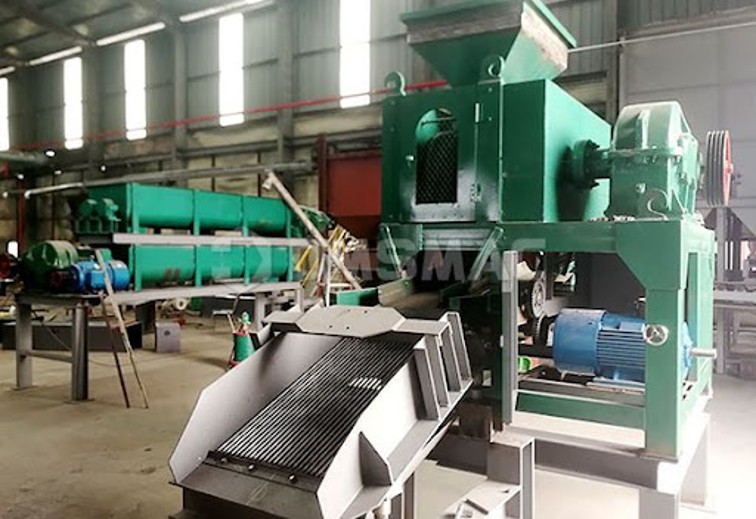
PKT & Partners Group
Scaling clean cooking solutions in Central Africa through a pay-as-you-go LPG micro-refilling model, improving energy access while reducing deforestation and emissions.
Kinshasa and Kongo Central, DRC -
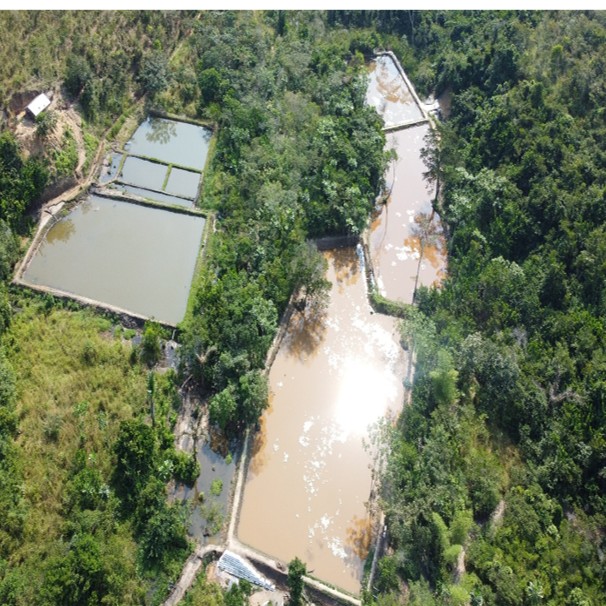
Faja Lobi
Scaling clean cooking solutions in Central Africa through a pay-as-you-go LPG micro-refilling model, improving energy access while reducing deforestation and emissions.
Kwilu Province, DRC -
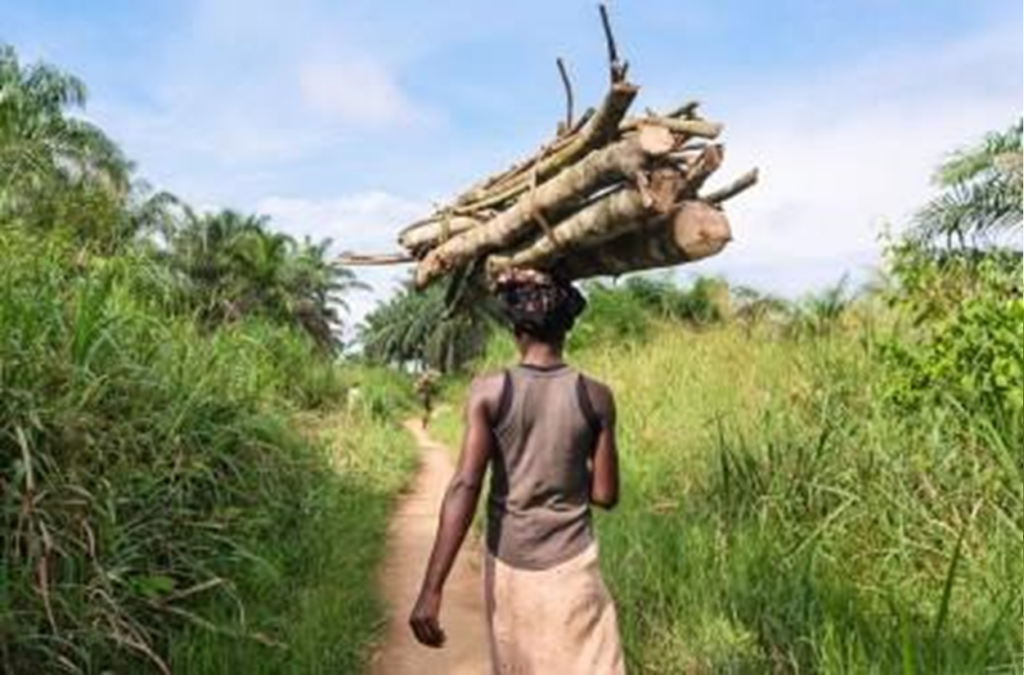
DRC FFF Platform
Scaling clean cooking solutions in Central Africa through a pay-as-you-go LPG micro-refilling model, improving energy access while reducing deforestation and emissions.
Kongo Central Province, DRC