PKT & Partners Group
- Sector : Clean Cooking Energy
- Location : Kinshasa and Kongo Central, DRC
Overview
A project in the Democratic Republic of Congo (DRC) aims to scale the production of deforestation-free charcoal alternatives to address energy poverty, deforestation, and health risks linked to traditional biomass cooking. Led by PKT & Partners, a Congolese clean energy company operating in Kinshasa since 2018, the project focuses on producing charcoal briquettes and biochar fertilizers from locally sourced urban and agricultural waste streams.
The project seeks to expand PKT’s existing production facility through the deployment of industrial-scale, field-proven equipment to increase output beyond current capacity constraints. By replacing wood-based charcoal with waste-derived briquettes sold at price parity for end users, the project aims to provide affordable, cleaner cooking fuel while reducing pressure on surrounding forests. Following a Technical Assistance phase, the project intends to support investment structuring and production scale-up.
The Challenge
DRC is one of Africa’s most energy-poor countries, with 70–95 percent of households relying on biomass and charcoal for cooking and less than 20 percent having access to electricity. Rapid population growth and urbanization, particularly in Kinshasa, are driving rising demand for charcoal, intensifying deforestation and forest degradation in peri-urban and rural areas.
Traditional charcoal and biomass use also exposes households to high levels of indoor air pollution, with smoke and particulate matter linked to severe respiratory and cardiovascular health risks especially for women and children, who are primarily responsible for cooking and fuel collection. Despite growing demand for alternatives, access to affordable, deforestation-free cooking fuels remains limited by production capacity, infrastructure constraints, and investment gaps.
Canopy Trust’s involvement – technical assistance
Canopy Trust has approved a Technical Assistance package focused on financial modelling and deforestation impact assessment to support the project’s scale-up phase.
The package will support:
- Financial and investment modelling to assess production expansion scenarios, capital requirements, and PKT’s capacity to absorb and deploy investment efficiently.
- Deforestation impact assessment to confirm alignment with Canopy Trust objectives and quantify avoided deforestation pathways linked to the replacement of wood-based charcoal;
- Review of operational and supply-chain assumptions, including biomass availability from urban waste collectors and plantation by-products.
This support is intended to de-risk future investment, strengthen impact credibility, and prepare the project for industrial-scale deployment.
Our target impact
The project should deliver environmental and socio-economic benefits by expanding access to clean cooking energy while reducing reliance on wood-based charcoal.
-
SDG 15 Life on Land
The project is expected to contribute to deforestation mitigation by replacing wood-based charcoal with waste-derived briquettes, reducing pressure on forests around Kinshasa and Kongo Central.
-
SDG 13 Climate Action
The project is expected to contribute to climate mitigation through avoided deforestation and emissions reductions from cleaner production processes.
-
SDG 5 Gender Equality
The project intends to support women through income opportunities within urban waste collection networks and by reducing exposure to harmful cooking smoke.
Discover our other projects
-
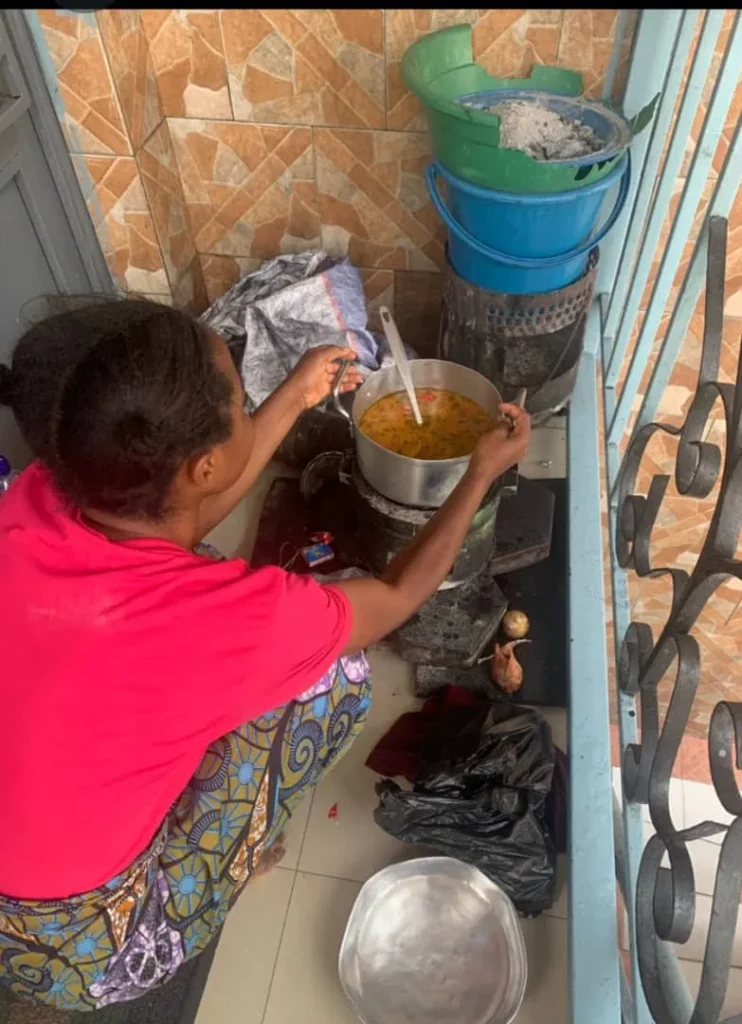
PayGas
Producing waste-based charcoal briquettes in the DRC to expand clean cooking energy, reduce deforestation, and lower emissions from traditional charcoal use.
Democratic Republic of Congo, Republic of Congo, Cameroon, Gabon -
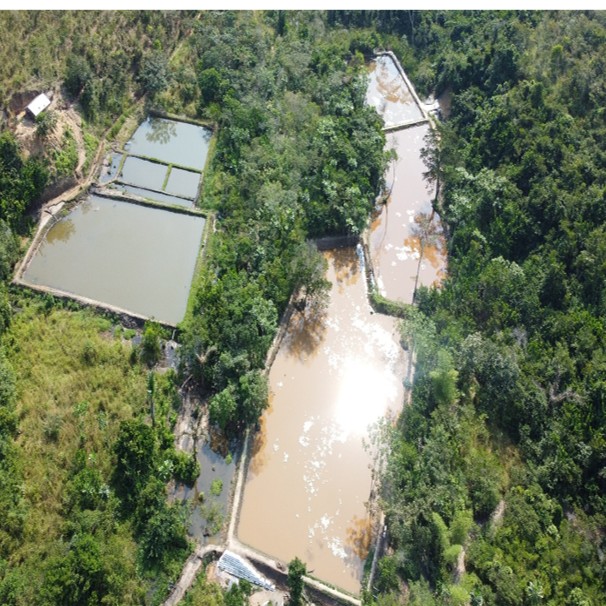
Faja Lobi
Producing waste-based charcoal briquettes in the DRC to expand clean cooking energy, reduce deforestation, and lower emissions from traditional charcoal use.
Kwilu Province, DRC -
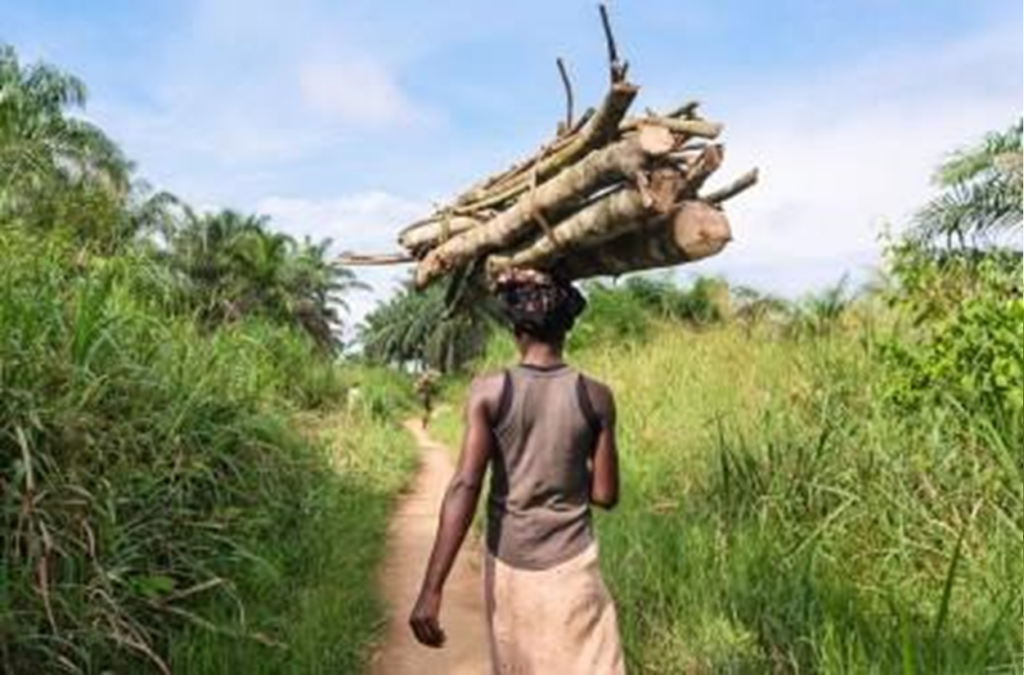
DRC FFF Platform
Producing waste-based charcoal briquettes in the DRC to expand clean cooking energy, reduce deforestation, and lower emissions from traditional charcoal use.
Kongo Central Province, DRC